




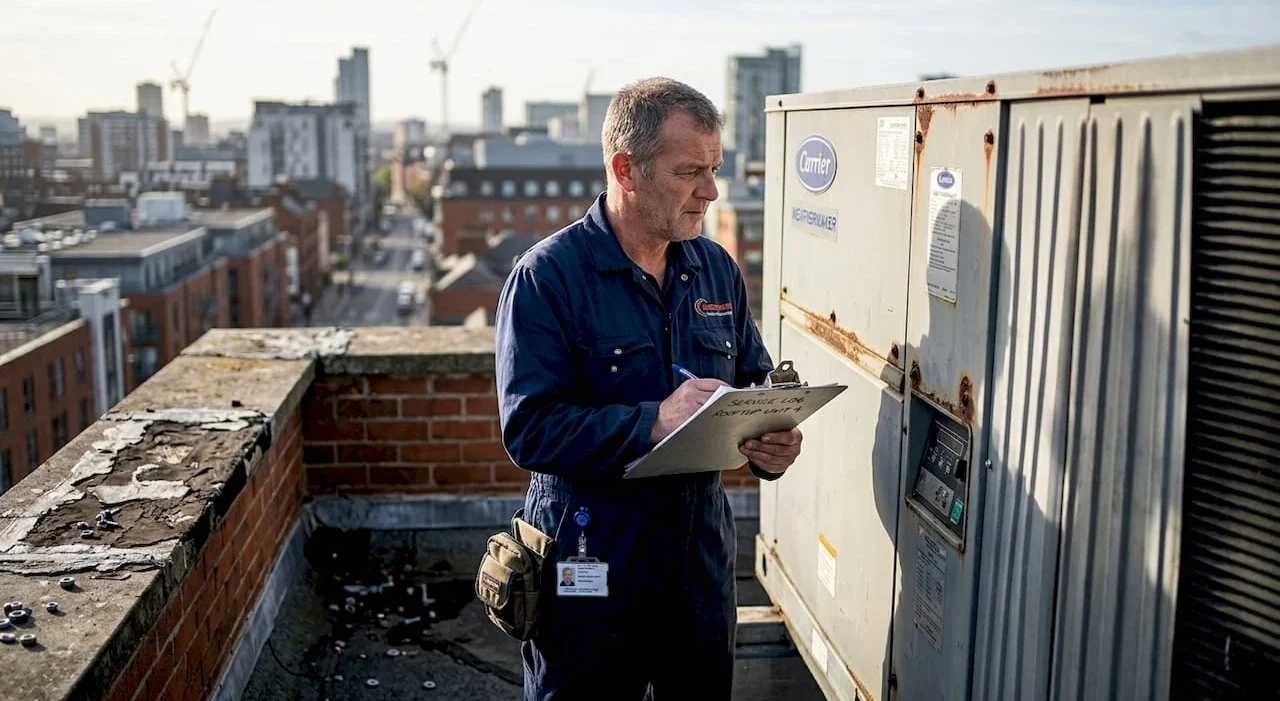
Many facilities managers assume HVAC and refrigeration systems serve similar purposes, both cooling spaces to maintain comfortable or safe conditions. This misconception can lead to inefficient system selection, wasted energy, and compliance issues in hospitality and retail environments. In reality, these systems perform fundamentally different roles: HVAC maintains human comfort through moderate temperature control and air quality management, while refrigeration preserves products at much lower temperatures critical for safety and quality. Understanding these distinctions helps you optimise energy consumption, meet regulatory standards, and select the right equipment for your specific operational needs.
Table of Contents
- Core Differences Between Hvac And Refrigeration Systems
- Refrigerants And Environmental Considerations In Hvac And Refrigeration
- Energy Consumption And Efficiency In Hospitality And Retail Settings
- Practical Differences In System Design, Operation And Maintenance
- Get Expert Hvac And Refrigeration Solutions With Ecofrost
- Frequently Asked Questions About Hvac And Refrigeration Differences
Key takeaways
| Point | Details |
|---|---|
| Temperature ranges differ significantly | HVAC maintains 68-78°F for comfort whilst refrigeration operates from -40°F to 55°F for preservation |
| Refrigerant selection varies by priority | HVAC uses safety-focused refrigerants like R-410A whilst refrigeration prioritises performance with ammonia and CO2 |
| Operational patterns serve different needs | HVAC cycles on demand for comfort whilst refrigeration runs continuously for product safety |
| Energy profiles require distinct strategies | HVAC accounts for 30% of hotel electricity whilst retail refrigeration demands efficient pull-down loads |
| Maintenance approaches impact longevity | Regular servicing extends HVAC lifespans to 15-20 years and prevents refrigeration product loss |
Core differences between HVAC and refrigeration systems
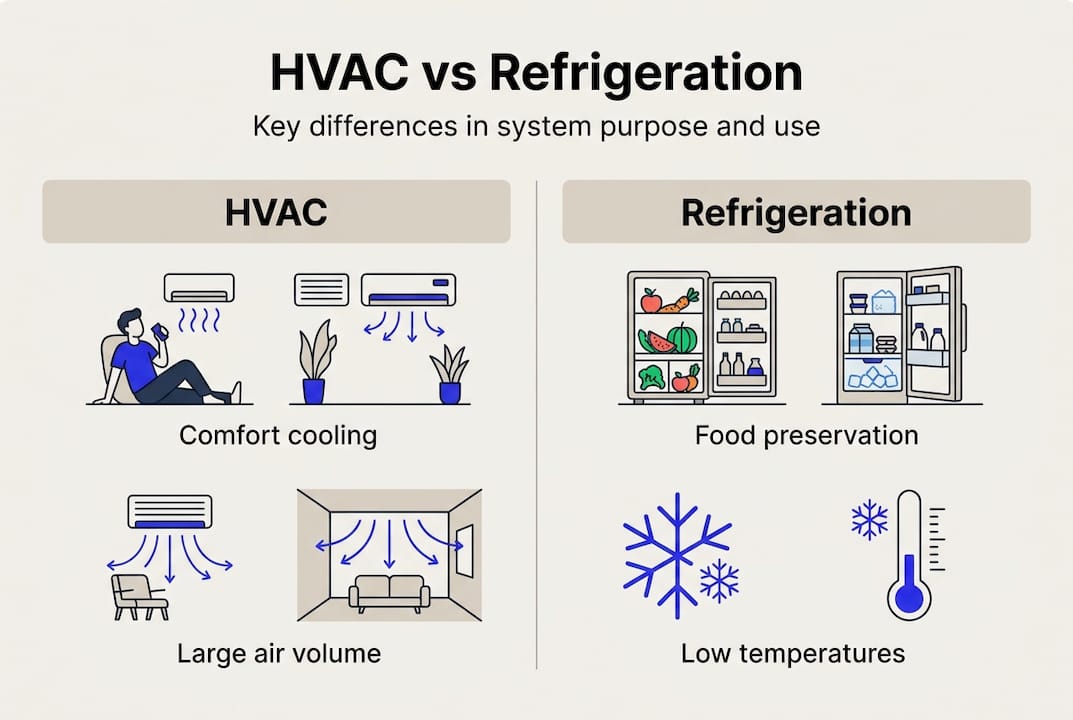
HVAC and refrigeration systems serve fundamentally distinct purposes in commercial facilities. HVAC systems focus on maintaining human comfort with typical temperatures of 68-78°F, controlling humidity levels between 30-60%, and ensuring proper ventilation for occupant health. These systems adjust indoor environments to keep guests, customers, and staff comfortable throughout the day. Refrigeration systems target much colder environments, operating from -40°F to 55°F depending on whether you’re freezing seafood, chilling beverages, or storing fresh produce.
The design goals reflect these different missions. HVAC engineers prioritise air distribution patterns, thermal comfort indices, and indoor air quality metrics that directly affect human wellbeing. You’ll notice HVAC systems respond to occupancy patterns, outdoor weather conditions, and time-of-day schedules. Refrigeration engineers focus on product preservation requirements, temperature uniformity throughout storage spaces, and rapid pull-down capabilities when warm goods enter cold environments. Refrigeration importance in restaurants extends beyond comfort to legal compliance and food safety.
Operational patterns differ dramatically between these systems:
- HVAC systems cycle on and off based on thermostat setpoints, outdoor conditions, and occupancy sensors
- Refrigeration units run continuously or with minimal cycling to maintain strict temperature ranges
- HVAC responds to daily and seasonal variations with significant load fluctuations
- Refrigeration maintains consistent loads with occasional spikes during product loading
Applications in hospitality and retail highlight these distinctions clearly. Hotels use HVAC to create comfortable guest rooms, lobbies, and conference spaces where temperature preferences vary by individual and activity. The same hotels deploy refrigeration in kitchens, bars, and banquet facilities where food safety regulations mandate specific storage temperatures regardless of human comfort. Retail environments use HVAC to encourage customers to browse longer in pleasant conditions whilst refrigeration display cases and walk-in coolers protect inventory value and meet health codes.
Understanding whether you need climate control for people or products fundamentally changes your system selection, energy budgeting, and maintenance approach.
The temperature differential between these systems creates entirely different engineering challenges. HVAC systems work within a narrow band close to outdoor ambient temperatures, making heat exchange relatively straightforward. Refrigeration systems must move heat across much larger temperature differences, requiring more energy-intensive compression cycles and specialised components that withstand extreme conditions.
Refrigerants and environmental considerations in HVAC and refrigeration
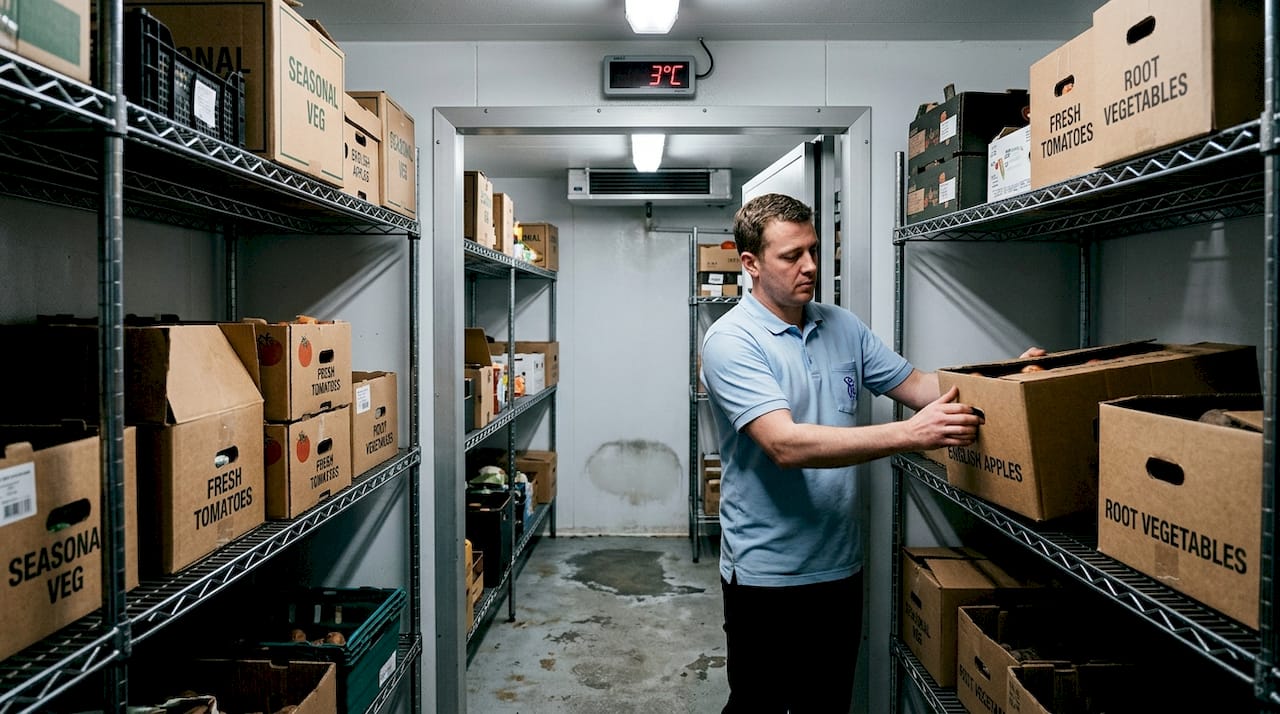
Refrigerant selection represents one of the most significant technical differences between HVAC and refrigeration systems. HVAC commonly uses safety-focused refrigerants like R-410A and R-32 because these systems operate in occupied spaces where refrigerant leaks could directly affect building occupants. These refrigerants offer lower toxicity and flammability risks whilst providing adequate efficiency for moderate temperature applications. Refrigeration systems prioritise performance at extreme temperatures, using ammonia, CO2, R-404A, and newer low-GWP alternatives that deliver superior efficiency for cold storage despite higher safety requirements.
The safety versus efficiency trade-off shapes refrigerant choices across both industries. HVAC refrigerants must meet stringent safety classifications because ductwork and air handlers distribute air throughout occupied zones. A refrigerant leak in an HVAC system could quickly spread through ventilation networks, creating immediate health hazards. Refrigeration refrigerants operate in more controlled environments like equipment rooms, walk-in coolers, and sealed display cases where engineering controls can manage leak risks whilst maximising thermodynamic performance.
Environmental regulations are driving both industries towards low Global Warming Potential refrigerants:
- R-32 is replacing R-410A in new HVAC installations with 68% lower GWP
- Natural refrigerants like CO2 and ammonia are gaining adoption in large refrigeration systems
- Hydrofluoroolefins offer synthetic alternatives with GWP values below 10
- Phase-down schedules under F-Gas regulations are accelerating refrigerant transitions
Pro Tip: When selecting commercial refrigeration equipment, prioritise systems using low-GWP refrigerants to future-proof your investment against tightening environmental regulations and potential refrigerant cost increases.
Practical efficiency varies significantly with climate conditions and system design. HVAC systems in hot, humid climates face higher cooling loads and longer operating hours, making refrigerant efficiency crucial for energy costs. Refrigeration systems maintain consistent internal temperatures regardless of outdoor conditions, but ambient heat affects condenser performance and overall system efficiency. Modern HVAC designs increasingly incorporate variable refrigerant flow technology that adjusts refrigerant circulation to match partial load conditions, reducing energy waste during moderate weather.
The refrigerant charge size differs substantially between system types. A typical rooftop HVAC unit serving a hotel floor might contain 20-40 pounds of refrigerant, whilst a large supermarket refrigeration system could hold several hundred pounds across multiple circuits. This difference affects leak detection strategies, maintenance costs, and environmental impact calculations. Smaller HVAC charges simplify leak management but require precise charging for optimal efficiency. Larger refrigeration charges demand sophisticated leak detection systems and regular monitoring to prevent gradual performance degradation.
Energy consumption and efficiency in hospitality and retail settings
Energy consumption patterns reveal stark differences between HVAC and refrigeration systems in commercial facilities. In hotels, HVAC can account for over 30% of electricity consumption whilst lighting, hot water, and other services share the remaining load. This proportion fluctuates seasonally, with summer cooling demands often exceeding winter heating in most UK climates. Retail refrigeration presents a different profile, with display cases, walk-in coolers, and freezers running continuously year-round regardless of outdoor conditions or store occupancy levels.
Benchmarking data helps facilities managers identify improvement opportunities. Best practice food retail refrigeration benchmarks include 25-35 kWh/m³/year storage energy use and 80-120 kWh/tonne freezing energy for initial product cooling. These metrics account for insulation quality, door opening frequency, defrost strategies, and ambient conditions. Hotels typically measure HVAC performance in energy use intensity (kWh/m²/year), with efficient properties achieving 100-150 kWh/m²/year for conditioned spaces compared to 200+ kWh/m²/year for poorly optimised buildings.
| System Type | Typical Energy Share | Peak Demand Period | Efficiency Technology Impact |
| — | — | — |
| Hotel HVAC | 30-40% of total electricity | Summer afternoons, winter mornings | VRF systems save 15-42% versus traditional |
| Retail Refrigeration | 40-60% of store electricity | Continuous with restocking spikes | LED lighting in cases reduces load 10-15% |
| Restaurant Kitchen Refrigeration | 20-30% of kitchen electricity | Continuous with meal prep peaks | High-efficiency compressors cut energy 20-30% |
| Commercial HVAC | 25-35% of building electricity | Business hours, weather dependent | Smart controls reduce runtime 15-25% |
Variable Refrigerant Flow technology represents a significant advancement in HVAC efficiency. VRF systems adjust refrigerant flow to match actual heating and cooling demands across multiple zones simultaneously, recovering waste heat from cooling zones to warm other areas. This capability particularly benefits hotels where guest rooms have diverse comfort preferences and occupancy patterns. Hotel chiller system efficiency improves further when integrating VRF with building management systems that optimise setpoints based on occupancy sensors and weather forecasts.
Refrigeration efficiency technologies focus on different challenges:
- Electronic expansion valves provide precise refrigerant metering for varying loads
- Variable speed compressors match capacity to actual cooling requirements
- Floating head pressure controls reduce condenser fan energy during cool weather
- Demand defrost systems minimise energy waste from unnecessary defrost cycles
Maintenance quality dramatically affects energy consumption in both system types. Dirty HVAC filters increase fan energy by 15-25% whilst reducing cooling capacity and indoor air quality. Refrigeration systems suffer similar degradation from dirty condenser coils, which force compressors to work harder and consume more energy for the same cooling output. Commercial HVAC and refrigeration maintenance programmes should include quarterly inspections, annual deep cleaning, and immediate response to performance anomalies.
Pro Tip: Install separate electricity metres for HVAC and refrigeration systems to track consumption patterns, identify efficiency degradation early, and justify upgrade investments with concrete data on energy savings potential.
Energy management systems deliver measurable benefits when properly configured for each system type. HVAC controls benefit from occupancy-based scheduling, outdoor air temperature resets, and demand-controlled ventilation that adjusts fresh air intake based on CO2 levels. Refrigeration controls optimise defrost timing, coordinate compressor staging, and adjust setpoints within safe ranges to minimise energy whilst maintaining product quality. The investment in sophisticated controls typically pays back within 2-4 years through reduced energy costs and extended equipment life.
Practical differences in system design, operation and maintenance
Operational patterns distinguish HVAC and refrigeration systems in ways that affect daily facility management. HVAC typically cycles on part load with variable speeds, responding to thermostat calls for heating or cooling by modulating compressor output and fan speeds. You’ll notice HVAC systems starting and stopping throughout the day as indoor temperatures drift above or below setpoints. Refrigeration runs continuously due to product preservation needs, maintaining tight temperature ranges regardless of external conditions. This constant operation means refrigeration compressors accumulate operating hours much faster than HVAC equipment, affecting maintenance schedules and component replacement timing.
Waste heat recovery opportunities differ significantly between these system types. HVAC systems in heating mode already utilise the heat pump cycle to warm indoor spaces, leaving limited recovery potential. Refrigeration systems constantly reject heat as they remove it from cold storage spaces, creating opportunities to capture this waste heat for domestic hot water, space heating, or other facility needs. A supermarket might recover heat from refrigeration condensers to warm the sales floor during winter, reducing overall energy consumption by 10-20% compared to separate heating systems.
Maintenance priorities reflect the different operational stresses each system faces:
- HVAC filters require monthly inspection and quarterly replacement to maintain airflow and indoor air quality
- Refrigeration door gaskets need weekly checks to prevent air infiltration that increases cooling loads
- HVAC thermostats and controls benefit from annual calibration to maintain comfort and efficiency
- Refrigeration defrost systems require regular testing to prevent ice buildup and capacity loss
- HVAC outdoor units need seasonal cleaning before peak cooling and heating seasons
- Refrigeration compressor oil analysis every 6-12 months identifies wear before catastrophic failures
Poor maintenance dramatically shortens equipment lifespan in both categories. Rooftop HVAC units typically last 15-20 years with proper care but may fail after 8-10 years when neglected. The cycling nature of HVAC operation means start-up stresses cause most component failures, making regular inspections critical to catch failing contactors, capacitors, and compressor issues early. Refrigeration systems face continuous operating stresses that gradually degrade components, making preventive maintenance essential to avoid unexpected breakdowns that could result in thousands of pounds of spoiled inventory.
| Maintenance Aspect | HVAC Approach | Refrigeration Approach |
|---|---|---|
| Inspection Frequency | Quarterly with seasonal deep service | Monthly with continuous monitoring |
| Critical Components | Filters, coils, thermostats, refrigerant charge | Door seals, defrost systems, temperature sensors, compressor oil |
| Failure Consequences | Comfort complaints, energy waste | Product loss, health code violations, revenue impact |
| Downtime Tolerance | Hours to days acceptable | Minutes to hours maximum before losses |
Zoning and control strategies adapt to different operational requirements. HVAC systems use zone dampers, multiple thermostats, and variable air volume controls to deliver customised comfort across diverse spaces like guest rooms, meeting halls, and back-of-house areas. Each zone responds independently to local conditions and occupancy patterns. Refrigeration systems zone by temperature requirement and product type, separating frozen storage, chilled storage, and display cases into distinct circuits that maintain precise conditions without cross-contamination risks.
Commercial air conditioning installation requires careful attention to ductwork design, diffuser placement, and return air pathways that ensure even temperature distribution and adequate ventilation. Improper installation creates hot spots, cold draughts, and humidity problems that comfort complaints and energy waste. Refrigeration installation demands precision in refrigerant line sizing, proper evacuation procedures, and exact charge quantities that directly affect system capacity and efficiency.
System complexity varies with application scale and performance requirements. A small restaurant might use simple split system air conditioners with basic thermostats alongside reach-in refrigerators with mechanical controls. Large hotels deploy sophisticated building management systems integrating hundreds of HVAC zones with central plant equipment, whilst major supermarkets operate complex distributed refrigeration systems with remote monitoring and predictive maintenance capabilities. The technical expertise required for design, installation, and maintenance scales accordingly.
Get expert HVAC and refrigeration solutions with EcoFrost
Navigating the technical complexities of commercial climate control requires expertise that balances comfort, preservation, and operational efficiency. EcoFrost brings over 10 years of specialised experience helping hospitality and retail businesses optimise their HVAC and refrigeration systems across the UK, Qatar, and India.
Whether you need commercial air conditioning installation for guest comfort, commercial fridge and freezer installation for product safety, or professional HVAC and refrigeration maintenance to maximise equipment lifespan, our team delivers solutions tailored to your operational requirements. We understand that system failures affect your bottom line through energy waste, comfort complaints, and potential product losses. Our comprehensive approach covers consultation, installation, emergency repairs, and ongoing maintenance programmes that keep your climate control systems running efficiently year-round.
Frequently asked questions about HVAC and refrigeration differences
What are the main temperature ranges for HVAC and refrigeration systems?
HVAC systems maintain 68-78°F for human comfort with humidity control between 30-60%. Refrigeration operates from -40°F for frozen storage up to 55°F for chilled products, depending on preservation requirements and food safety regulations.
How do refrigerant choices differ between HVAC and refrigeration?
HVAC prioritises occupant safety with refrigerants like R-410A and R-32 that have lower toxicity risks. Refrigeration uses performance-focused refrigerants including ammonia, CO2, and specialised blends that deliver superior efficiency at extreme temperatures despite requiring additional safety measures.
Why does HVAC cycle on and off whilst refrigeration runs continuously?
HVAC responds to varying comfort needs and occupancy patterns, cycling to maintain setpoint ranges. Refrigeration must preserve products within strict temperature limits regardless of external conditions, requiring continuous operation to prevent spoilage and maintain food safety compliance.
How can integrating HVAC and refrigeration systems save energy?
Waste heat recovery captures thermal energy rejected by refrigeration condensers to provide space heating or domestic hot water. This integration reduces overall facility energy consumption by 10-20% compared to operating separate heating systems, particularly beneficial during winter months.
What maintenance practices are crucial for system longevity in hospitality?
Regular filter changes, coil cleaning, and refrigerant charge verification extend HVAC lifespan to 15-20 years. Refrigeration requires door seal inspections, defrost system testing, and compressor oil analysis to prevent failures that could spoil inventory and disrupt operations.
Do HVAC and refrigeration systems require different installation expertise?
Yes, HVAC installation focuses on air distribution, ventilation rates, and comfort delivery whilst refrigeration demands precision refrigerant charging, temperature uniformity, and food safety compliance. Each discipline requires specialised training and certification for proper system commissioning.