




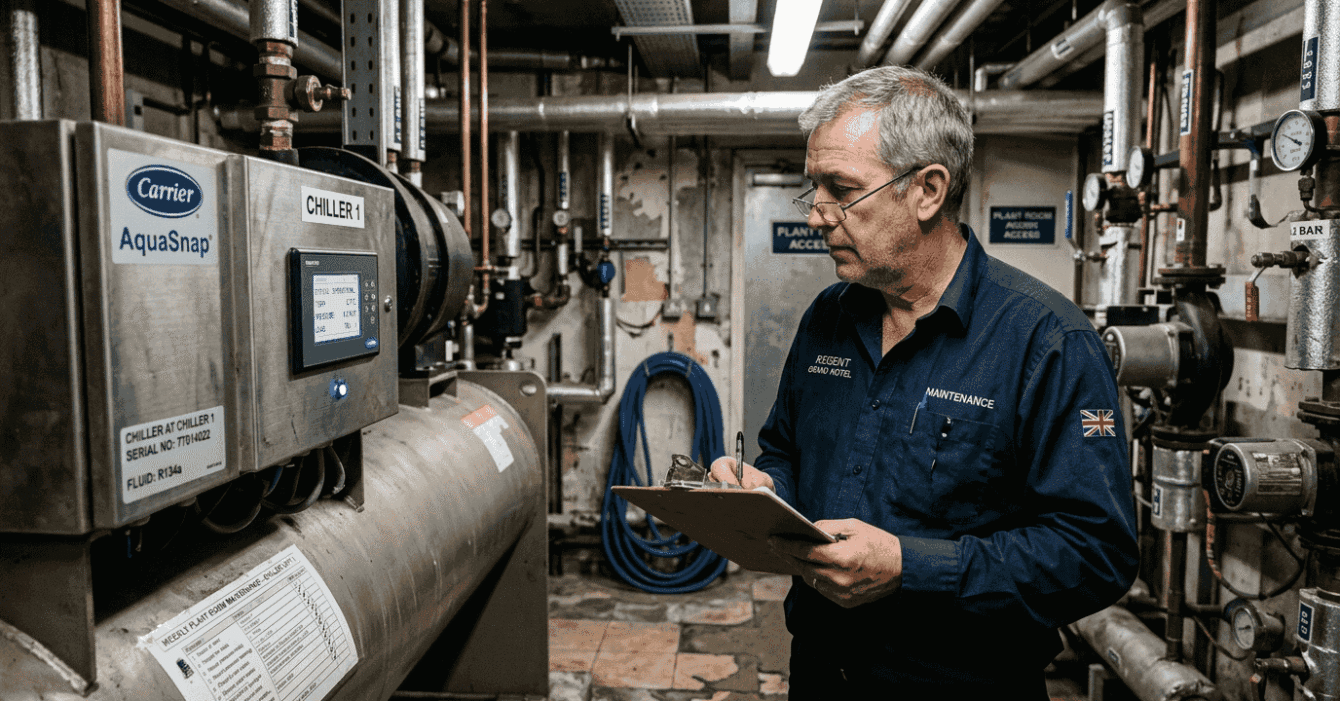
Hotel chiller systems consume more energy than any other equipment in large buildings, yet most facility managers struggle to understand how these complex machines work and where efficiency improvements hide. Understanding chiller types, common failure modes, and optimisation strategies can unlock substantial cost savings and operational improvements for your property. This guide breaks down mechanical compression chillers, explains why they are the smart choice for hotels, identifies the most frequent failure causes, and reveals proven maintenance and control strategies that reduce energy consumption by up to 30% while extending equipment life.
Table of Contents
- Understanding Hotel Chiller Systems And Types
- Why Use Chiller Systems In Hotels: Benefits And Efficiency
- Common Failure Causes And Maintenance Best Practices For Hotel Chillers
- Optimising Hotel Chiller System Performance And Energy Savings
- Hotel Chiller System Optimisation With EcoFrost HVAC
Key takeaways
| Point | Details |
|---|---|
| Energy dominance | Chillers commonly use more energy than any other equipment in large buildings but offer the largest savings when optimised. |
| Compressor variety | Mechanical compression chillers vary by compressor type (reciprocating, screw, centrifugal) suited to different hotel sizes and capacities. |
| Failure patterns | Refrigerant leaks and high head pressure cause most failures, cutting cooling capacity and raising costs significantly. |
| Optimisation potential | Advanced controls and preventive maintenance reduce energy use by 30% and extend compressor life substantially. |
| Proactive monitoring | Systematic pressure and temperature tracking transforms reactive repair into cost-effective preventive care. |
Understanding hotel chiller systems and types
Chillers produce chilled water to remove heat from large buildings, serving as the backbone of hotel air conditioning systems. Rather than installing individual air conditioners in every guest room, conference hall, and restaurant, hotels use central chiller systems that circulate chilled water through air handling units throughout the property. This approach delivers consistent comfort while reducing energy consumption and maintenance complexity.
Mechanical compression chillers are classified by compressor type, each suited to different operational scales. Reciprocating chillers use pistons to compress refrigerant and typically serve smaller hotels with capacities from 20 to 300 tonnes. Rotary screw chillers employ rotating screws for compression, handling medium-sized properties with capacities between 70 and 1,200 tonnes. Centrifugal chillers spin refrigerant at high speeds and dominate large hotel installations, delivering 150 to 6,000 tonnes of cooling capacity. The newest frictionless centrifugal designs use magnetic bearings to eliminate mechanical wear, extending service intervals and improving reliability.
Selecting the right chiller type depends on your property size, cooling load patterns, and budget constraints. A boutique hotel with 50 rooms might thrive with a reciprocating chiller, whilst a 400-room resort requires centrifugal capacity. Understanding these distinctions helps you communicate effectively with HVAC contractors and make informed equipment decisions.
Pro Tip: Match your chiller capacity to actual peak cooling loads rather than overestimating, as oversized chillers cycle inefficiently and waste energy during partial load operation.
Chiller systems often cool entire buildings or multiple structures from a central plant, providing both comfort cooling for guests and process cooling for kitchens, laundries, and data centres. This centralised approach proves more efficient and space-saving than installing 150 individual air conditioners for a basic chiller system operation across guest rooms. The mechanical compression chiller types you select directly influence energy costs, maintenance requirements, and guest satisfaction for years ahead.
Why use chiller systems in hotels: benefits and efficiency
Central chiller systems deliver significant advantages over individual room air conditioning units for hotel properties. A hotel with 150 rooms can save costs and space using one properly sized chiller instead of 150 separate units, each requiring individual maintenance, refrigerant management, and eventual replacement. This consolidation reduces capital expenditure, simplifies service schedules, and provides consistent temperature control throughout the property.
Energy savings represent the most compelling financial benefit. Chiller systems operate more efficiently at scale, leveraging larger heat exchangers, optimised compressor staging, and centralised controls that individual units cannot match. Modern chillers achieve coefficient of performance (COP) values exceeding 6.0, meaning they deliver six units of cooling for every unit of electrical energy consumed. Individual room air conditioners typically struggle to reach COP values above 3.0, doubling your energy cost for the same cooling output.
Advanced HVAC controls amplify these inherent efficiency advantages. The Sheraton Stamford Hotel reduced energy consumption by 30% after implementing precision control systems that optimised chiller operation based on actual occupancy, weather conditions, and load patterns. These controls adjust chilled water temperatures, manage compressor staging, and coordinate with air handling units to eliminate energy waste whilst maintaining guest comfort.
Space efficiency matters particularly in urban hotels where every square metre generates revenue. Rooftop or basement chiller plants free up valuable floor space that individual air conditioners would consume in each room. This consolidation also improves aesthetics, eliminating unsightly exterior condensing units that detract from building appearance and neighbourhood character.
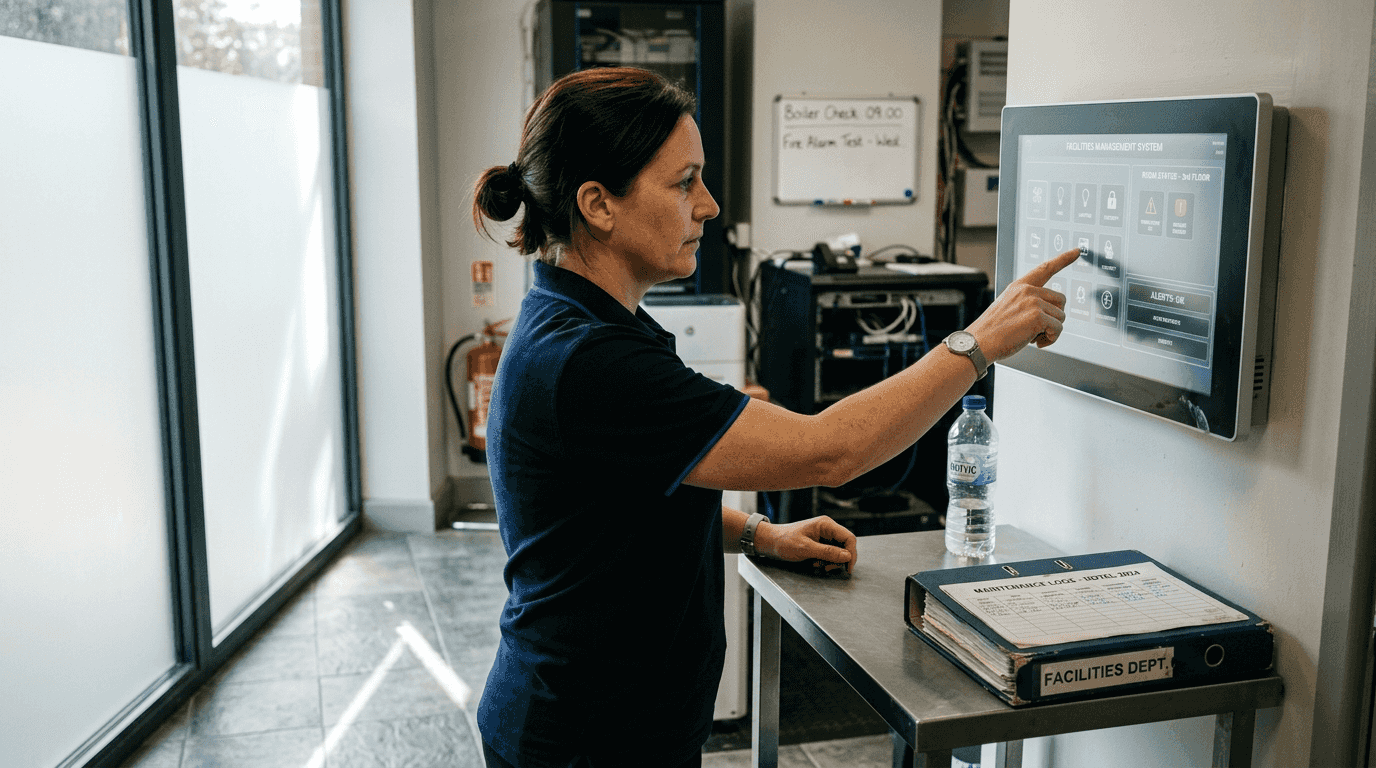
Operational simplicity reduces staffing requirements and training complexity. Your maintenance team monitors and services one central system rather than hundreds of distributed units, enabling deeper expertise and faster troubleshooting. Centralised monitoring systems alert staff to performance degradation before failures occur, preventing guest complaints and emergency repairs during peak occupancy periods.
Guest experience improves through quieter operation and more precise temperature control. Individual air conditioners generate noise that disturbs sleep and creates complaints, whilst chiller systems operate remotely with only quiet fan coil units in guest areas. Centralised controls maintain consistent temperatures across the property, eliminating the hot and cold spots that plague decentralised systems.
Professional commercial air conditioning installation ensures these benefits materialise through proper sizing, piping design, and control integration. Regular HVAC system maintenance services protect your investment and sustain efficiency gains over decades of operation. The energy efficiency improvements for hotels extend beyond lighting to encompass comprehensive climate control optimisation.
Common failure causes and maintenance best practices for hotel chillers
Refrigerant leaks dominate chiller service calls, causing 25 to 30% of all service events and representing the leading cause of compressor failures. These leaks develop gradually through vibration, corrosion, and thermal cycling that stress pipe joints, valve stems, and heat exchanger tubes. A 10% refrigerant charge loss reduces cooling capacity by 15 to 20%, forcing the system to run longer to meet demand whilst consuming more energy per tonne of cooling delivered.
Loss of refrigerant creates a cascade of operational problems. Compressor discharge temperatures rise as the system struggles to reject heat with insufficient refrigerant flow. Evaporator pressures drop, risking freeze damage to chilled water pipes. Compressor motors work harder, drawing excess current that trips protective devices and shortens motor life. Early detection through regular pressure monitoring and leak testing prevents these escalating failures.
Fouled condensers waste energy and trigger safety shutdowns during peak cooling loads. Dirt, scale, and biological growth accumulate on condenser tubes, creating insulating barriers that prevent heat rejection. This fouling increases energy consumption by 10 to 35% depending on severity, whilst also raising head pressures that stress compressors and trip high-pressure cutouts during hot weather when you need cooling most.
High head pressure develops gradually, making it particularly insidious. 70% of compressor failures relate to sustained high head pressure that operators fail to address before catastrophic damage occurs. Each 10 PSI above design pressure increases energy consumption by 2 to 3%, whilst also reducing compressor life by up to 50% through elevated discharge temperatures and increased mechanical stress. A compressor replacement can cost £150,000 including labour and downtime, making prevention vastly more economical than reactive repair.
Systematic monitoring prevents these costly failures. Track discharge pressure, suction pressure, compressor current draw, and leaving chilled water temperature daily. Plot these values to identify gradual trends that signal developing problems. A slow rise in head pressure over weeks indicates condenser fouling or refrigerant overcharge requiring attention. Sudden pressure changes suggest refrigerant leaks or control failures demanding immediate investigation.
Pro Tip: Create a simple spreadsheet tracking key chiller parameters weekly, then graph the trends monthly to spot gradual degradation that daily observations miss.
Preventive maintenance schedules should include quarterly condenser cleaning, biannual refrigerant charge verification, and annual comprehensive inspections covering electrical connections, oil analysis, and vibration testing. These scheduled interventions cost a fraction of emergency repairs and eliminate the guest dissatisfaction that accompanies cooling failures during peak season.
Professional commercial refrigeration repair services provide expert diagnostics and repairs that extend equipment life. Understanding refrigeration compliance importance ensures your maintenance practices meet regulatory requirements whilst protecting the environment. Following a detailed high head pressure checklist transforms reactive maintenance into proactive system optimisation.
Optimising hotel chiller system performance and energy savings
Advanced control systems represent the fastest path to substantial energy savings without capital equipment replacement. The Sheraton Stamford achieved 30% energy consumption reduction through controls that continuously optimise chilled water temperature, compressor staging, and condenser fan operation based on real-time loads and weather conditions. These systems pay for themselves within two to three years through energy savings alone, whilst also improving guest comfort and reducing maintenance calls.
Chilled water temperature reset delivers immediate savings by raising supply water temperature during partial load conditions. Traditional systems maintain 7°C chilled water regardless of actual cooling demand, forcing unnecessary compressor work. Smart controls raise this setpoint to 10°C or 12°C when loads permit, reducing compressor lift and energy consumption by 15 to 25%. This optimisation requires no hardware changes, only control logic updates and proper sensor calibration.
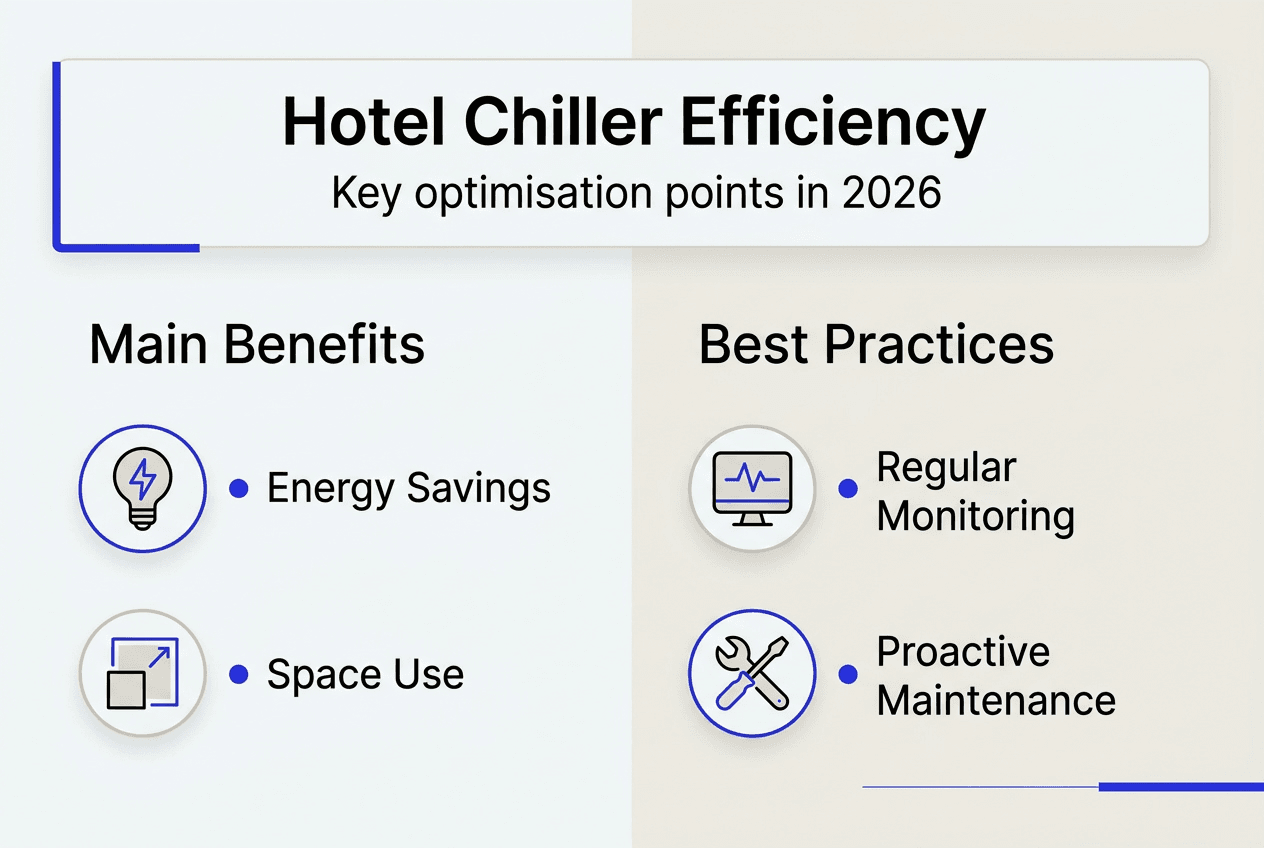
Regular monitoring of temperature, pressure, and vibration enables early issue detection before failures occur. Install permanently mounted pressure gauges at compressor suction and discharge points, condenser inlet and outlet, and evaporator inlet and outlet. Record these values daily during peak season, weekly during shoulder periods. Sudden changes indicate developing problems requiring investigation, whilst gradual trends reveal maintenance needs before they become emergencies.
Vibration analysis detects bearing wear, refrigerant flooding, and mechanical looseness months before audible symptoms appear. Quarterly vibration surveys using handheld analysers cost little but prevent catastrophic failures. Establish baseline vibration signatures when equipment is new and properly maintained, then compare subsequent readings to identify degradation. Bearings showing elevated vibration can be replaced during scheduled maintenance rather than failing during peak occupancy.
Pro Tip: Schedule major chiller maintenance during your lowest occupancy months, typically January or February in the UK, to minimise guest impact and secure better contractor rates.
Following a structured high head pressure monitoring protocol converts reactive maintenance to proactive management. This checklist guides systematic troubleshooting of condenser fouling, refrigerant overcharge, non-condensables in the system, and inadequate condenser airflow. Addressing these issues promptly prevents the compressor damage and efficiency losses that develop when high pressures persist.
Proactive maintenance strategies reduce emergency repairs and costly downtime through scheduled interventions. Create annual maintenance calendars covering condenser cleaning, refrigerant analysis, electrical connection tightening, control calibration, and oil sampling. Partner with qualified contractors who understand hotel operations and can schedule work around occupancy patterns. This planning eliminates the premium pricing and guest disruption that emergency repairs create.
Professional installation optimises chiller system longevity and performance from day one. Proper pipe sizing, insulation thickness, control sensor placement, and electrical protection all influence decades of operational costs. Expert commercial air conditioning installation ensures these details receive proper attention. Ongoing services and maintenance protect your investment through expert care. Specialised professional remote installation services extend this expertise to refrigeration systems throughout your property. Understanding broader energy optimisation trends for hospitality helps you coordinate chiller improvements with lighting and other efficiency initiatives.
Hotel chiller system optimisation with EcoFrost HVAC
Optimising your hotel chiller system requires expertise that comes from years of commercial HVAC experience across diverse properties and operating conditions. EcoFrost HVAC specialises in commercial air conditioning installation tailored specifically for hospitality environments, ensuring your chiller system delivers maximum efficiency from commissioning through decades of operation.
Our commercial refrigeration repair services provide rapid response when issues arise, minimising guest impact and preventing minor problems from escalating into costly failures. With over 10 years of experience across the UK, Qatar, and India, we understand the unique demands hotel chiller systems face and deliver solutions that balance performance, efficiency, and reliability. Partner with EcoFrost maintenance services to protect your chiller investment through proactive care that reduces energy costs, extends equipment life, and ensures consistent guest comfort year-round.
FAQ
How often should hotel chiller systems be serviced?
Hotel chillers should undergo professional servicing at least biannually to ensure optimal operation and early issue detection. High-use properties or those in harsh environments benefit from quarterly inspections covering refrigerant charge, condenser cleanliness, electrical connections, and control calibration. Regular maintenance minimises energy waste, prevents unexpected failures during peak season, and extends equipment lifespan substantially. Professional chiller maintenance services provide expert care tailored to your property’s specific operating patterns.
What are the early signs of refrigerant leaks in a chiller system?
Signs include rising compressor discharge temperatures, decreased cooling performance despite normal operation, and abnormal system pressures that deviate from baseline readings. You may also notice compressors running longer to achieve setpoints, increased energy consumption, or frost accumulation on refrigerant lines. Refrigerant leaks cause drops in cooling capacity and rising compressor temperatures before complete failure occurs. Timely refrigerant leak detection prevents the 15 to 20% cooling capacity loss and costly compressor damage that untreated leaks create.
How much energy can hotels save by optimising chiller controls?
Advanced chiller control systems can reduce hotel energy consumption by up to 30%, significantly lowering operating costs whilst improving guest comfort and system reliability. Hotels like Sheraton Stamford achieved 30% reduction through precision controls that optimise chilled water temperatures, compressor staging, and condenser operation based on real-time loads. These savings compound annually, delivering rapid payback on control system investments. Professional maintenance and control optimisation ensures sustained performance improvements over decades.
What strategies help extend the life of a chiller compressor?
Maintain proper refrigerant charge through regular inspections and avoid high head pressure by monitoring condenser cleanliness, airflow, and refrigerant levels systematically. Sustained high head pressure reduces compressor life by up to 50% through elevated temperatures and mechanical stress. Implement a preventive maintenance checklist targeting pressure and temperature trends, addressing gradual changes before they cause damage. Regular oil analysis, vibration monitoring, and electrical connection inspections also prevent premature failures. Expert compressor maintenance and repair services provide the specialised care these critical components require.
Recommended
- How to select commercial refrigeration for your business
- Types of restaurant refrigeration for efficient food storage in 2026
- Commercial Fridge & Freezer Installation – EcoFrost Hvac
- Open chiller cabinet – 1980 series – EcoFrost Hvac
- How to Improve Lighting Efficiency for UK Hotels
- Klimatisierung durch Elektrotechnik: Effizient kühlen und heizen – Elektrotechnik Ernst