


Cold Room for Your Business
Whether you run a busy restaurant kitchen, a food manufacturing unit, or a pharmaceutical storage facility, choosing the wrong cold room can cost your business thousands — in wasted stock, failed compliance checks, and emergency call-outs. This guide walks you through everything you need to consider before committing to an installation.
Why the Right Cold Room Matters More Than You Think
A cold room isn't just a big fridge. It's a piece of critical infrastructure that keeps your products safe, your business compliant, and your operations running smoothly day and night. Get it right and it'll serve you reliably for 15–20 years. Get it wrong and you're looking at recurring repair costs, energy waste, and potentially catastrophic stock losses.
At EcoFrost HVAC, we've designed and installed bespoke cold room solutions across the UK for businesses of all sizes. In that time, we've seen the same mistakes made over and over — and most of them are entirely avoidable with the right advice upfront.
Step 1: Know Your Temperature Range
The very first question to answer is: what temperature does your cold room actually need to maintain? This sounds obvious, but it's surprising how many businesses specify a room based on a rough idea rather than the exact needs of their products.
Here's a quick breakdown of the most common cold room types:
- Chiller Rooms (0°C to +8°C) — Fresh produce, dairy, beverages, cooked meats, and daily stock. Standard for restaurants, cafes, delis, and catering operations.
- Freezer Rooms (-18°C to -25°C) — Long-term frozen storage for meat, fish, bakery, and ice cream. The go-to for food manufacturers and large hospitality venues.
- Pharmaceutical/Medical Cold Rooms (+2°C to +8°C) — Vaccines, medications, and biological samples with strict temperature logging and compliance requirements.
- Wine & Specialist Storage (+10°C to +14°C) — Controlled humidity and vibration-free environments for fine wines, floristry, and specialist retail.
If you're storing products that span more than one temperature range, a dual-zone or partitioned room is almost always more cost-effective than trying to compromise with a single temperature setting. It's worth discussing this with your installer from the outset.
Step 2: Size It for Your Peak Load — Not Your Average
This is where a lot of businesses go wrong. Undersizing your cold room forces the compressor to overwork, drives up energy costs, and creates temperature instability — particularly when you open the door repeatedly throughout the day. Oversizing wastes capital and runs up unnecessary running costs.
The right approach is to size your cold room for your peak storage load, not your typical day-to-day operation. Think about:
- Your busiest trading period — Christmas week for a restaurant, harvest season for a food producer
- The physical footprint of your racking, shelving, or pallet systems
- Adequate aisle space for staff to move freely (time spent with the door open is a significant heat load)
- Whether incoming stock arrives hot from a production line or at ambient temperature
- Business growth over the next 3–5 years — building in 20–30% additional capacity now is far cheaper than an expansion later
A reputable cold room installer will always carry out a proper heat load calculation before specifying a system. If a supplier gives you a quote without asking these questions, walk away.
Step 3: Modular vs. Bespoke — Which Is Right for You?
This is one of the most common questions we're asked, and the honest answer is: it depends on your building, your budget, and how permanent the installation needs to be.
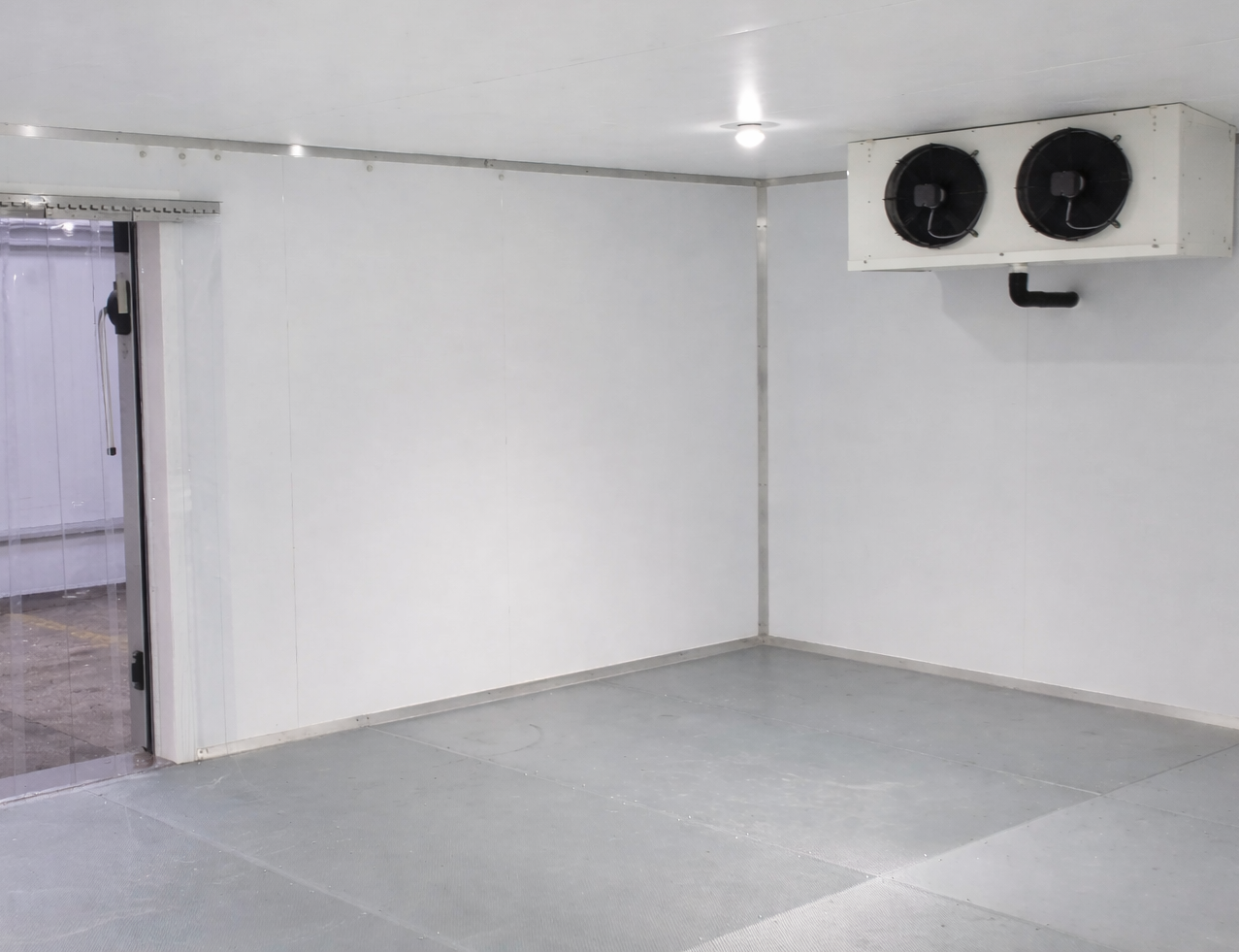
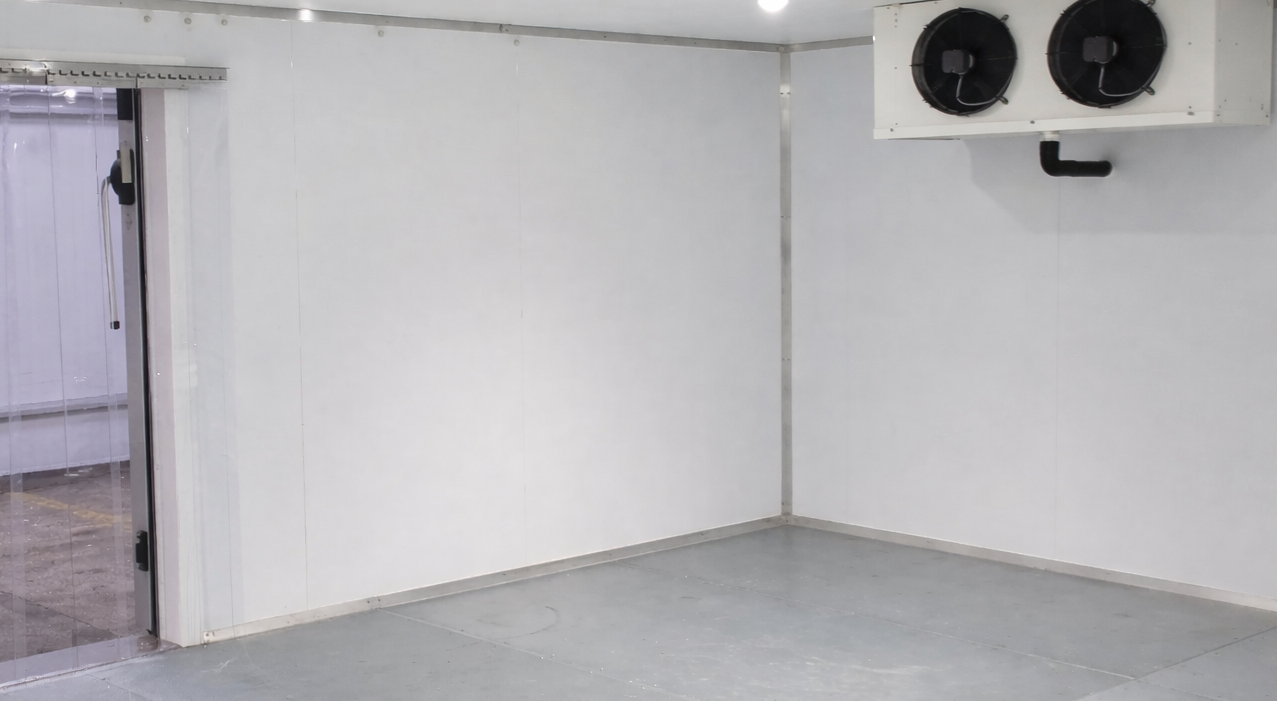
Modular cold rooms use pre-fabricated insulated panels that are assembled on-site. They're faster to install, easier to relocate, and generally lower in upfront cost. They're a strong choice for businesses in leased premises, businesses that might move, or any situation requiring a quick turnaround. The trade-off is that panel joints can become a source of thermal bridging or moisture ingress if not properly maintained over the years.
Bespoke built-in cold rooms use your existing building structure, lined with specialist insulation and finished to your exact specification. They're more thermally efficient over the long term, integrate better with your space, and tend to look more professional — which matters if clients or environmental health officers visit your site. The upfront cost is higher, but the lifetime cost is often lower.
For most commercial businesses with a permanent location, we generally recommend a bespoke installation. For temporary setups, pop-up food operations, or businesses in leased units, modular is the smarter choice.
Step 4: Don't Overlook the Refrigeration System
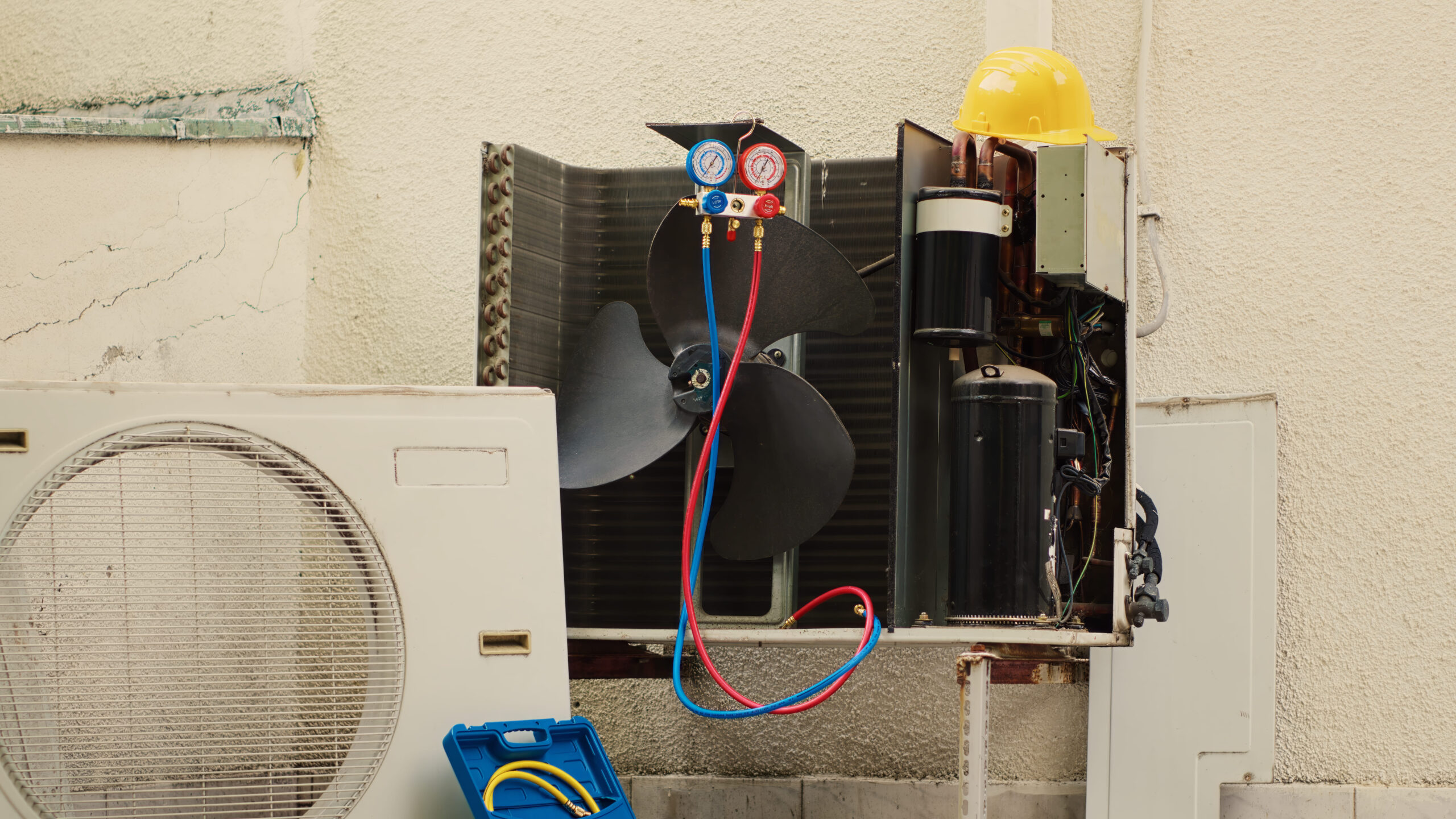
The cold room shell is only half the story. The refrigeration unit — the compressor, condenser, and evaporator — is what actually does the work, and specifying it correctly is just as important as getting the room dimensions right.
Key considerations include:
- Remote vs. integral units — Remote condensing units sit outside the cold room (often on a rooftop or in a plant room), which reduces noise inside the room and extends equipment life by keeping heat away from the working area. Integral units are self-contained and cheaper to install, but generate heat inside the space.
- Refrigerant type — Modern systems use low-GWP (Global Warming Potential) refrigerants in line with F-Gas regulations. Make sure your installer is F-Gas certified and uses compliant refrigerants. Non-compliant systems can leave you exposed to fines and void your insurance.
- Energy efficiency — Look for systems with variable-speed compressors, EC fan motors, and LED lighting as standard. These features can reduce running costs by 30–40% compared to older fixed-speed equipment.
Step 5: Plan for Maintenance Before Day One
A cold room is only as reliable as the maintenance regime behind it. The most common cause of cold room failure isn't manufacturing defect or age — it's neglected servicing. Refrigerant levels drop gradually. Door seals perish. Evaporator coils ice up. None of these issues are expensive to fix when caught early. All of them become serious when left.
A good maintenance plan should include:
- Regular temperature and pressure checks
- Door seal and hinge inspections
- Evaporator and condenser coil cleaning
- Refrigerant level and leak checks
- Lighting and electrical safety checks
- Full system report after every visit
At EcoFrost HVAC, all our cold room installations come with a recommended maintenance schedule and access to our 24/7 emergency call-out service, so you're never left exposed if something goes wrong out of hours.
Step 6: Check Compliance and Certification
Depending on your industry, your cold room may need to meet specific regulatory standards. Food businesses in the UK are subject to Food Safety Act requirements and regular environmental health inspections. Pharmaceutical and medical storage must comply with GDP (Good Distribution Practice) guidelines. Any refrigeration system using regulated refrigerants must be installed and maintained by F-Gas certified engineers.
Before signing off on any installation, make sure your installer can provide:
- F-Gas certification for all engineers on site
- Documented refrigerant records
- A commissioning report confirming the system is operating within specified parameters
- Any industry-specific compliance documentation relevant to your sector
Why Choose EcoFrost HVAC?
We design and install cold rooms across the UK, from single chiller rooms for independent restaurants to large multi-zone refrigeration facilities for food manufacturers and logistics businesses. Every project starts with a site survey and a proper heat load calculation — no guesswork, no generic quotes.
Our engineers are fully F-Gas certified, and we back every installation with ongoing maintenance support and 24/7 emergency cover.
Ready to discuss your cold room project? Visit ecofrosthvac.co.uk or call us today for a free site survey and no-obligation quote.
EcoFrost HVAC — Bespoke cold room solutions built for your business.
